SHOE LIFT FAQ
Answers to common questions about shoe lifts for leg length discrepancy, uneven legs, and orthopedic shoe modification.
Q: What kind of shoes can you put lifts on?
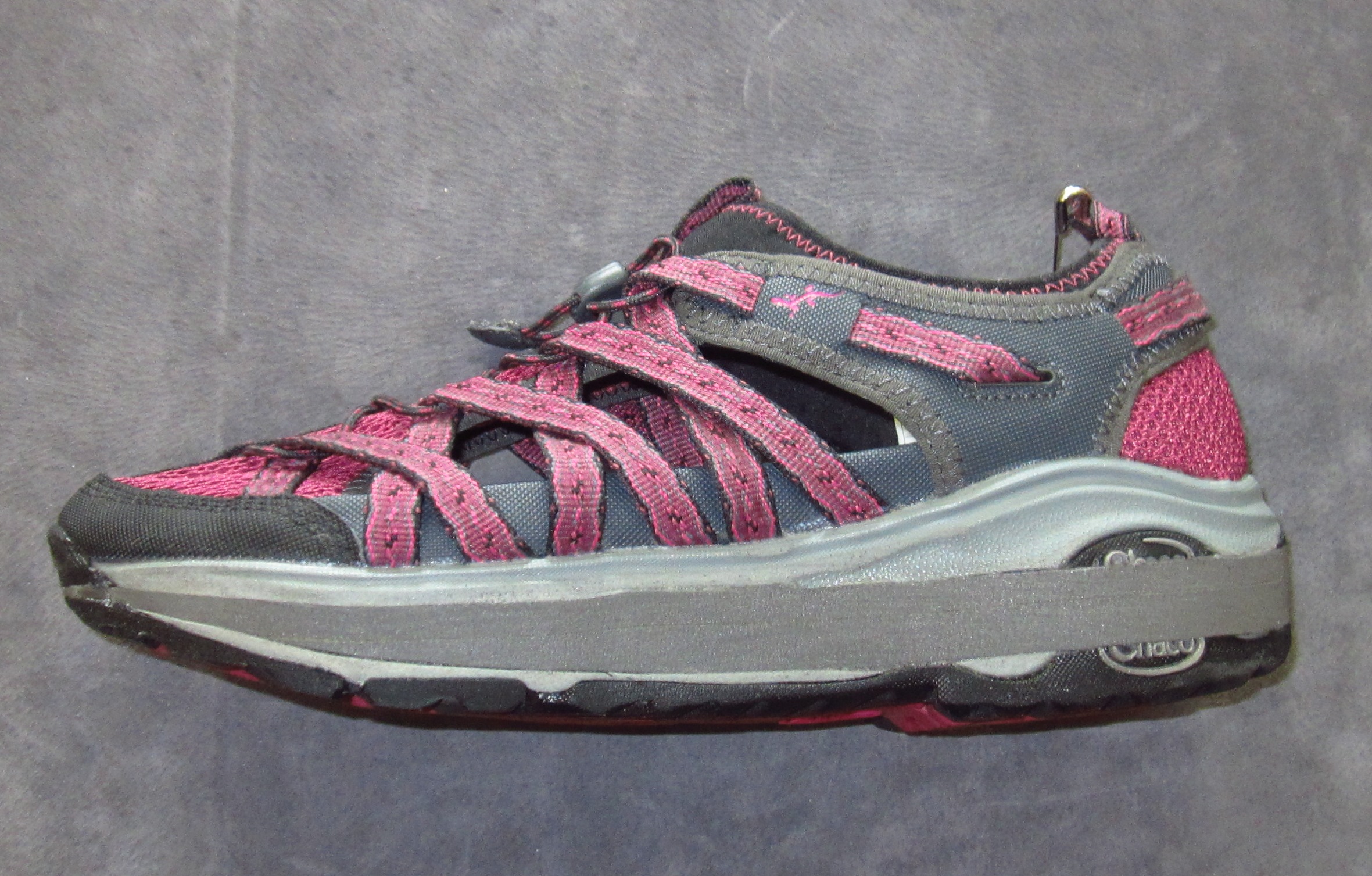
We can put lifts into most shoes, including molded soles, unit soles, boots, athletic shoes, and golf shoes. We do not add lifts to Toms, Chaco, or Teva shoes. If you're unsure, send us a photo — we’re happy to take a look.
Q: How high can a shoe lift be?
Most lifts range from about 1/4 inch up to 1 inch or more. The exact height depends on the shoe and how well the lift can be blended in. Higher lifts are possible, but we always balance height with stability and appearance.
Q: Do you add the lift to just one shoe?
Yes. In most cases, we are correcting a leg length difference, so the lift is added to only one shoe. We carefully match the height to your needs.
Q: How does the lift look?
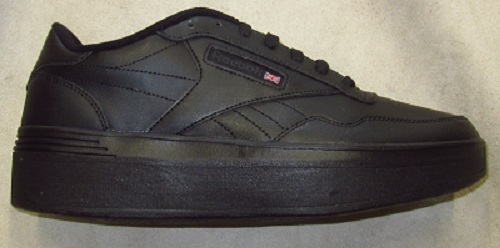
Our lifts are clean and smooth-edged. We do our best to blend them into the original sole so they look natural. Shoes with simple, smooth soles tend to hide the lift best.
Q: Do I need a prescription?
No prescription is required. Many customers come to us with a doctor’s recommendation, but we can also work with your measurements directly.
Q: What about athletic shoes?
Athletic shoes are usually no problem. Just keep in mind that highly sculpted soles can make the lift slightly more noticeable compared to smoother styles.
Q: What about work boots?
No problem. Danner, Red Wing, Carolina, Belleville, Blundstone and many others — we’ve done them all.
Q: Are there shoes you can’t work with?
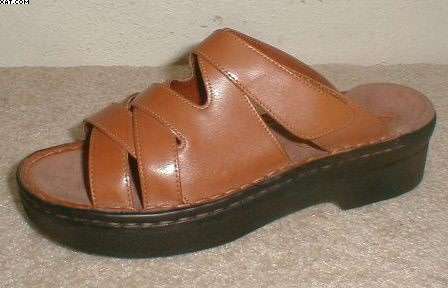
Yes — a few. These include Birkenstock Footprints, cleated/spiked shoes, exposed air soles, or spring-loaded soles. When in doubt, send us a photo.
Who can measure my leg length difference?
Over the years we have worked with many customers who already knew they had a leg length difference but were unsure of the exact amount. Some people determine the difference themselves by standing on stacked books or magazines and adjusting height until their hips feel level. Others have measurements taken professionally using X-rays or clinical measuring tools. Chiropractors and physical therapists often provide both types of measurement.
Do I need a doctor’s prescription for a shoe lift?
Whether you are working with us locally or through our mail-in service, a prescription is not necessary. Some customers do come to us with recommendations from their doctor or chiropractor, but many already know the amount of lift they need.
What materials do you use for shoe lifts?
Soleflex provides an excellent balance of durability and weight. When possible, we carefully remove small internal portions of the lift material to reduce weight while maintaining strength. There are limits to how much material can be removed, since stability is always the priority.
What does walking with a shoe lift feel like?
Most customers notice that walking feels more balanced once the lift is added. Some report improvement in back or hip discomfort after correcting a leg length difference. If the difference is large, doctors sometimes recommend starting with a smaller lift first and gradually increasing height so the body can adjust comfortably.
Q: Does the lift hold up in rain and snow?
Yes. We work in western Oregon where wet weather is constant. If our adhesives didn’t hold up, we wouldn’t still be doing this.
Q: What is the turnaround time?
Most shoe lift jobs are completed within 7-10 days once we receive them, plus shipping time. We aim to keep turnaround fast while maintaining high-quality work.
Q: Do I need to send both shoes?
We only need the shoe that needs the lift.
Q: How do I start?
Print and complete our shipping form, take your shoes to the Post Office, and send them in. We’ll take care of the rest.